
Communication
Verbal and nonverbal communication grows — from first requests to back-and-forth conversation.
The Science, Simply
Applied Behavior Analysis is the science of learning and behavior — applied with warmth, ethics, and care that's built around your child.
The Science, in Plain Language
ABA looks at why behaviors happen and uses that understanding to teach new skills, build communication, and make daily life easier — for the whole family.

What it is
ABA studies how behavior is learned and how it changes in response to the environment. There's no single 'ABA program' — every plan is built around the child in front of us.
How it feels
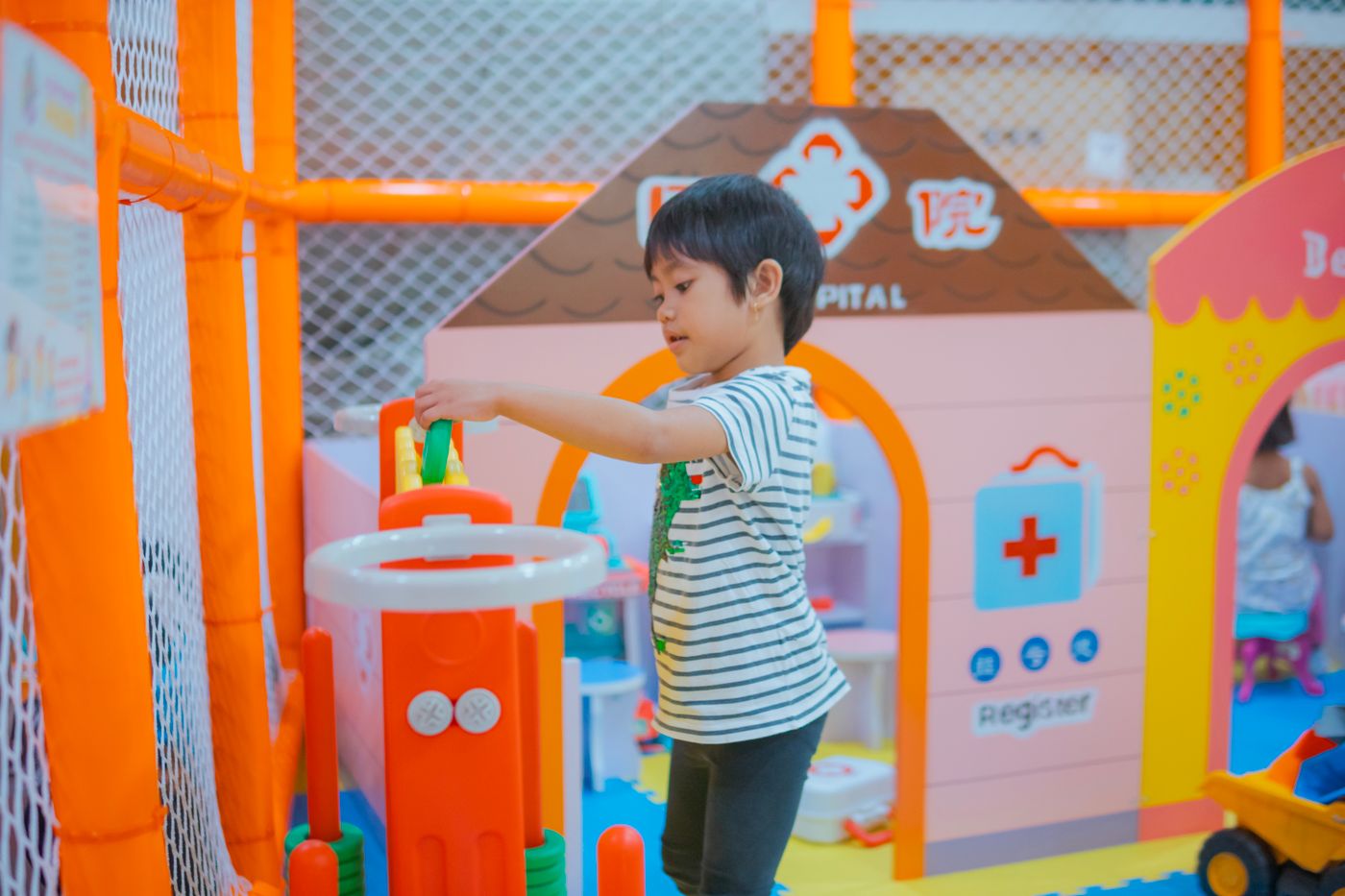
Modern ABA looks like play, conversation, songs, and naturalistic learning moments. We honor assent, respect neurodiversity, and partner closely with parents.
“ABA at its best is curious, kind, and led by the child. The data is just the map — the relationship is the road.”
Inside a Session
Every session is different, but the rhythm is familiar.
We start with a connection ritual — favorite song, greeting, a shared activity — to set the tone.
Short, playful teaching moments target communication, social, daily-living, and learning goals.
Skills are practiced in real routines — snack, play, transitions — so they generalize beyond the table.
We review the session with you, share data, and celebrate the wins of the day.
Why Families Choose ABA
Verbal and nonverbal communication grows — from first requests to back-and-forth conversation.
Daily living skills like dressing, eating, and self-care become more independent and less stressful.
Children build the play, sharing, and perspective-taking skills that lead to real friendships.
Attention, following directions, and pre-academic foundations get stronger session by session.
Parents leave with tools — fewer power struggles, smoother routines, more shared joy.
Wins are celebrated. Children see themselves as capable — and so does everyone around them.
FAQ
Talk to one of our BCBAs. We'll walk you through assessments, insurance, and what a starting program could look like — at your pace.